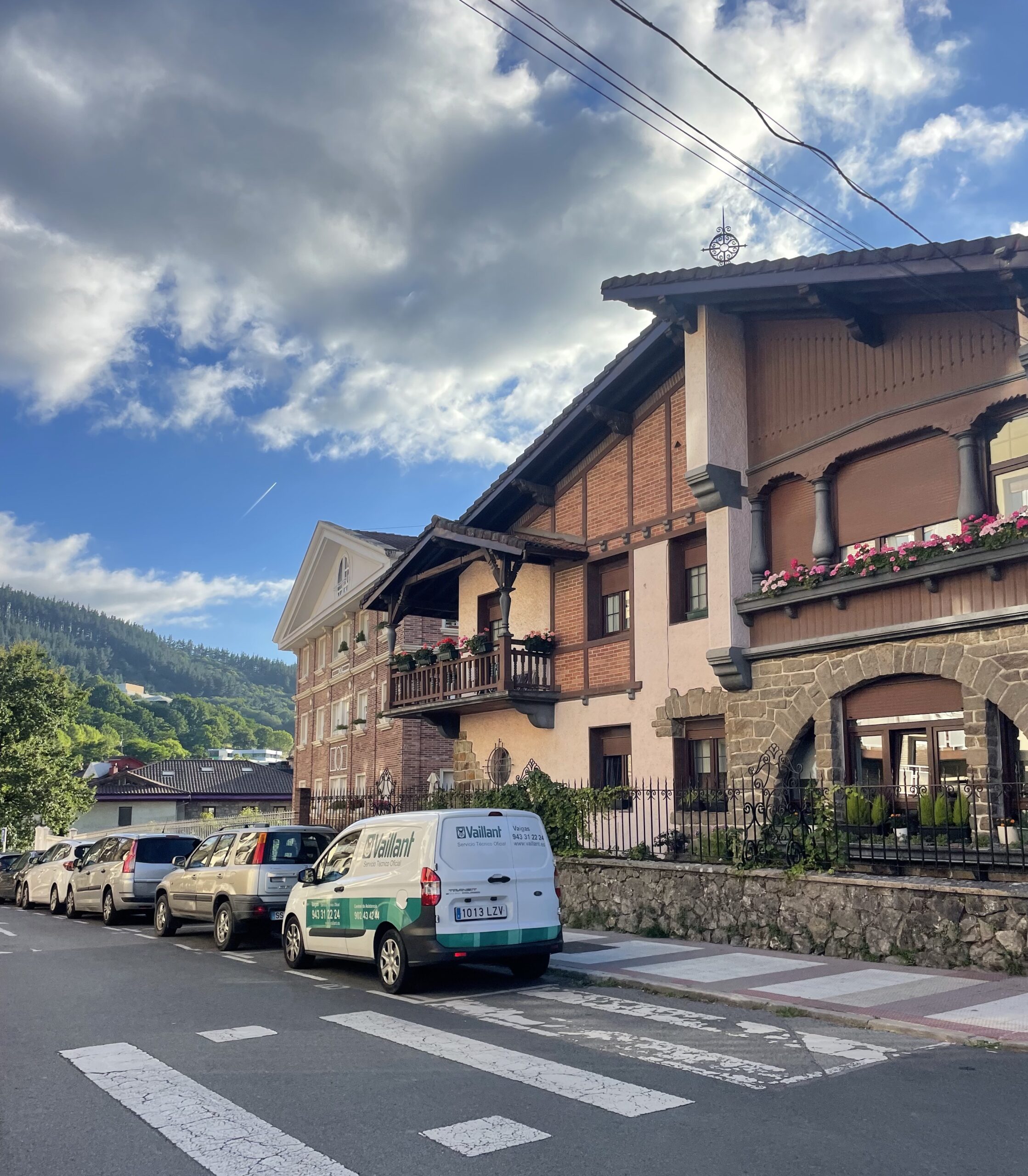
A Week in Mondragon, Spain: Cooperatives, Culture, and the Basque Country
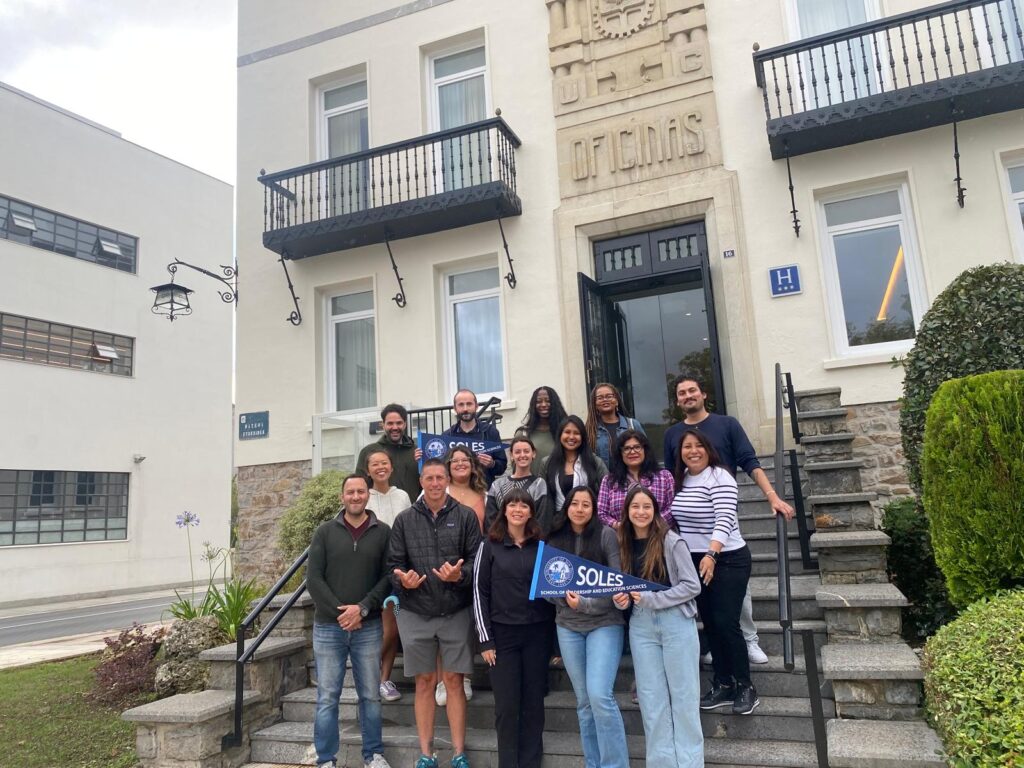
I spent a week in the Basque Country exploring the cities of Bilbao and Mondragon, immersing myself in the Basque culture and learning about the Mondragon Corporation. Founded in the town of Mondragon in 1956 by Don Jose María Arizmendiarrieta, the Mondragon Corporation is a group of worker cooperatives that consists of 81 cooperatives operating in four sectors including finance, industry, retail, and knowledge. During my week in the Basque Country, I had the opportunity to visit a few of these cooperatives, learn about Basque culture and history, and my favorite part, eat and drink with the Basque people. Please join me as I reflect and share what I learned about the Basque Country, the Mondragon Corporation, and the lessons I brought home to the United States.
Expectations
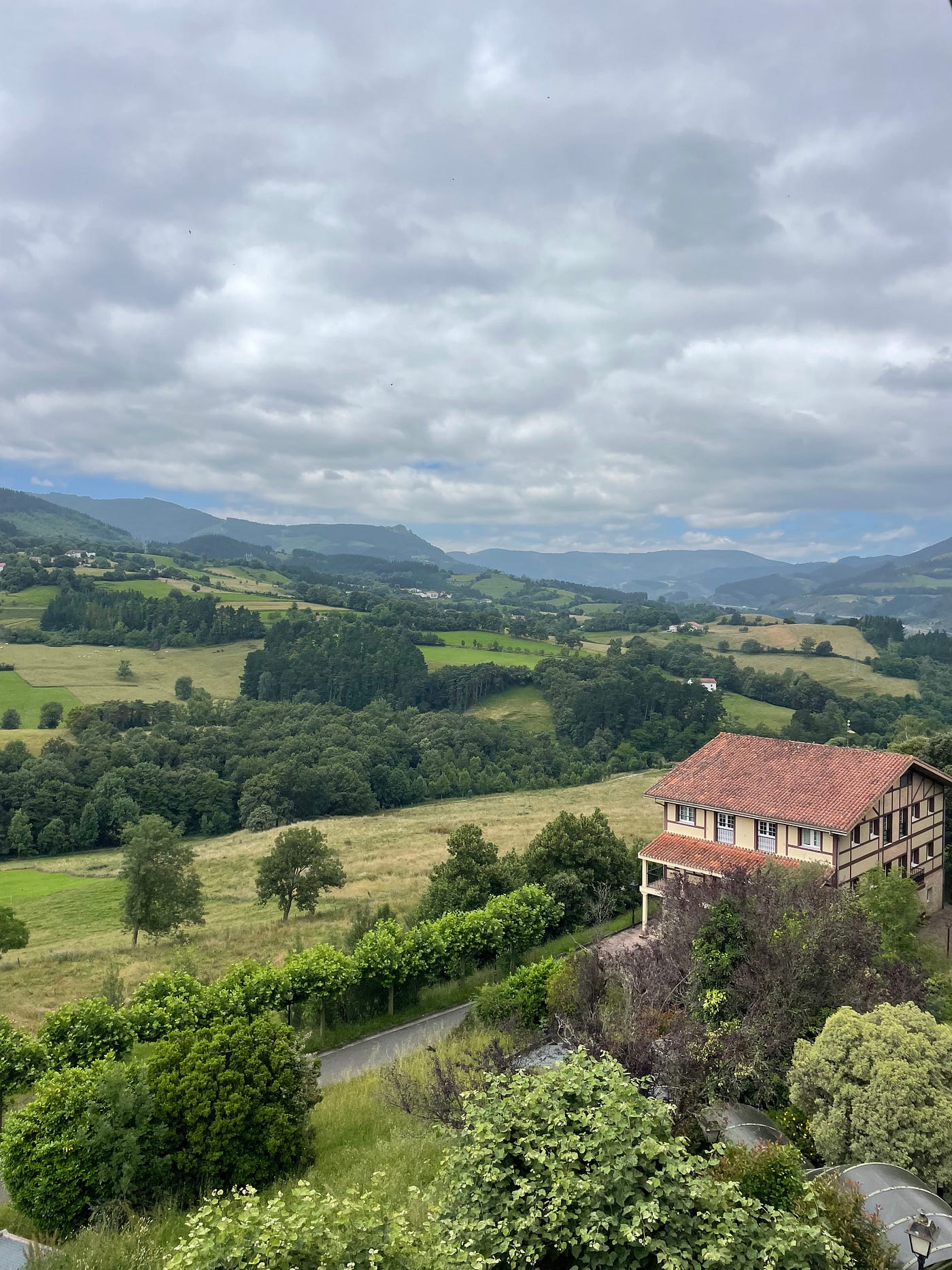
The best type of expectations when traveling to a new city, country, or continent, is no expectations. All the research, readings, videos, presentations, conversations, and speculations can never paint an accurate picture of what is to be experienced, and that is what I believe is the best part about traveling. When I was initially choosing a global studies course for my master’s program, I chose Spain because of my family heritage, but I had never heard of the town of Mondragon or the Basque Country before. When the course began, I learned a bit about the complex history of the Basque Country and how despite being technically apart of Spain, the Basque people do not affiliate themselves with the country of Spain or refer to themselves as Spanish. I would not truly understand what that really meant or looked like until I arrived and spent time in the region. Even after my week of being immersed in the Basque culture, I would not understand the vast differences of the Basque Country to Spain until I traveled to Madrid, Valencia, and Barcelona after the course had ended.
I noticed many of my fellow students found themselves comparing the Basque Country to the United States during the week long course. Comparing lived experiences to new learning is a helpful strategy of ingesting and understanding content, but it is also important to acknowledge the context that plays an important role in grasping the environment and painting a full picture of our learning and experiences. As American citizens there is so much to learn from the Basque people and the Mondragon Corporation, and it is challenging to compare the two countries because of their vast historical differences. Our history, culture, language, and way of life is all different, and to understand the Mondragon Corporation, I believe it is important to first learn about the Basque people and their history.
What is the Basque Country?
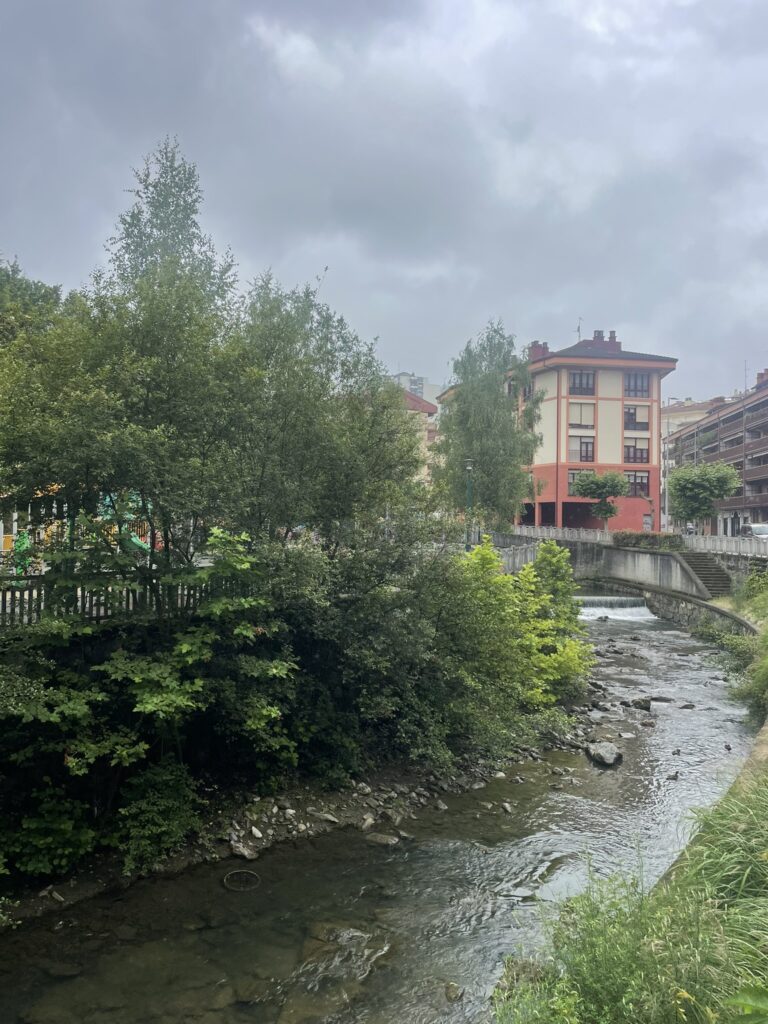
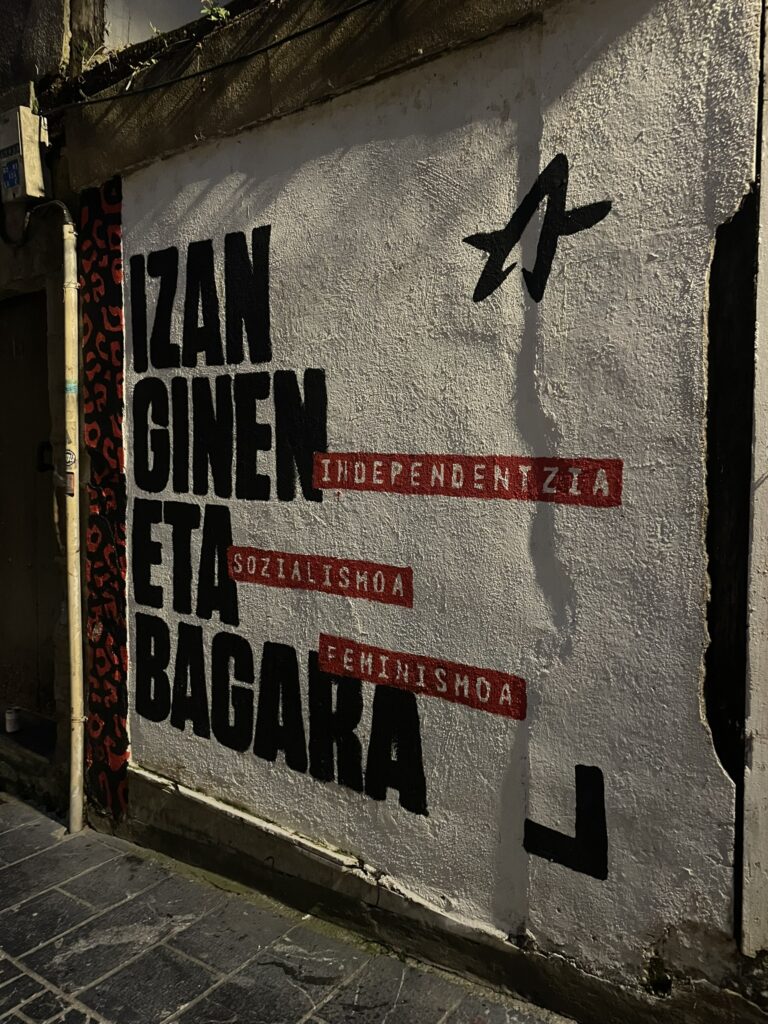
When I shared with family and friends I was traveling to the Basque Country, the most common response was, “where is that?” to which my reply would be, “the north of Spain”, but I came to learn it is so much more. The Basque Country lies between northern Spain and southwestern France in a lush green and mountainous landscape, which has aided in protecting the Basque people from outside invaders for centuries, including the Roman Empire. Because the region has been relatively untouched by outside cultures and influences, the Basque people have maintained a strong and unique cultural identity. The Basque language, known as Euskara, is one of the oldest languages in the world, is not related to any other language, and its origins are unknown (MacLeod, 1997). I assumed Euskara would be similar to Spanish or French because of the Basque regions geographical location, but I could not have been more wrong. When I first saw Euskara written down my first thoughts were that it was like nothing I had ever seen before. And when I heard it being spoken, I thought the same. It is truly a unique and beautiful language.
Basque Nationalism
Basque nationalism emerged in the late 19th century as a response to various political, social, and economic changes that threatened the identity and traditional autonomy of the Basque people. During the Spanish Civil War (1936–1939) Basque nationalists joined the Republicans to fight against Francisco Franco and Adolf Hitler, but were defeated (MacLeod, 1997). Under Francisco Franco’s dictatorship in Spain, the Basque language and culture were harshly repressed, and political autonomy was revoked. In the 1940s the Spanish government insisted on the Basque Country using Spanish instead of Basque words for the names of their cities (MacLeod, 1997). This can still be seen on signage in the region where both the Basque and Spanish names are listed. For example, Mondragon is the Spanish translation for the Basque word Arrasate. While in the Basque Country, I often noticed the Spanish names crossed out with graffiti. This is a small illustration of the historical and standing conflict between the Basque Country and Spain.

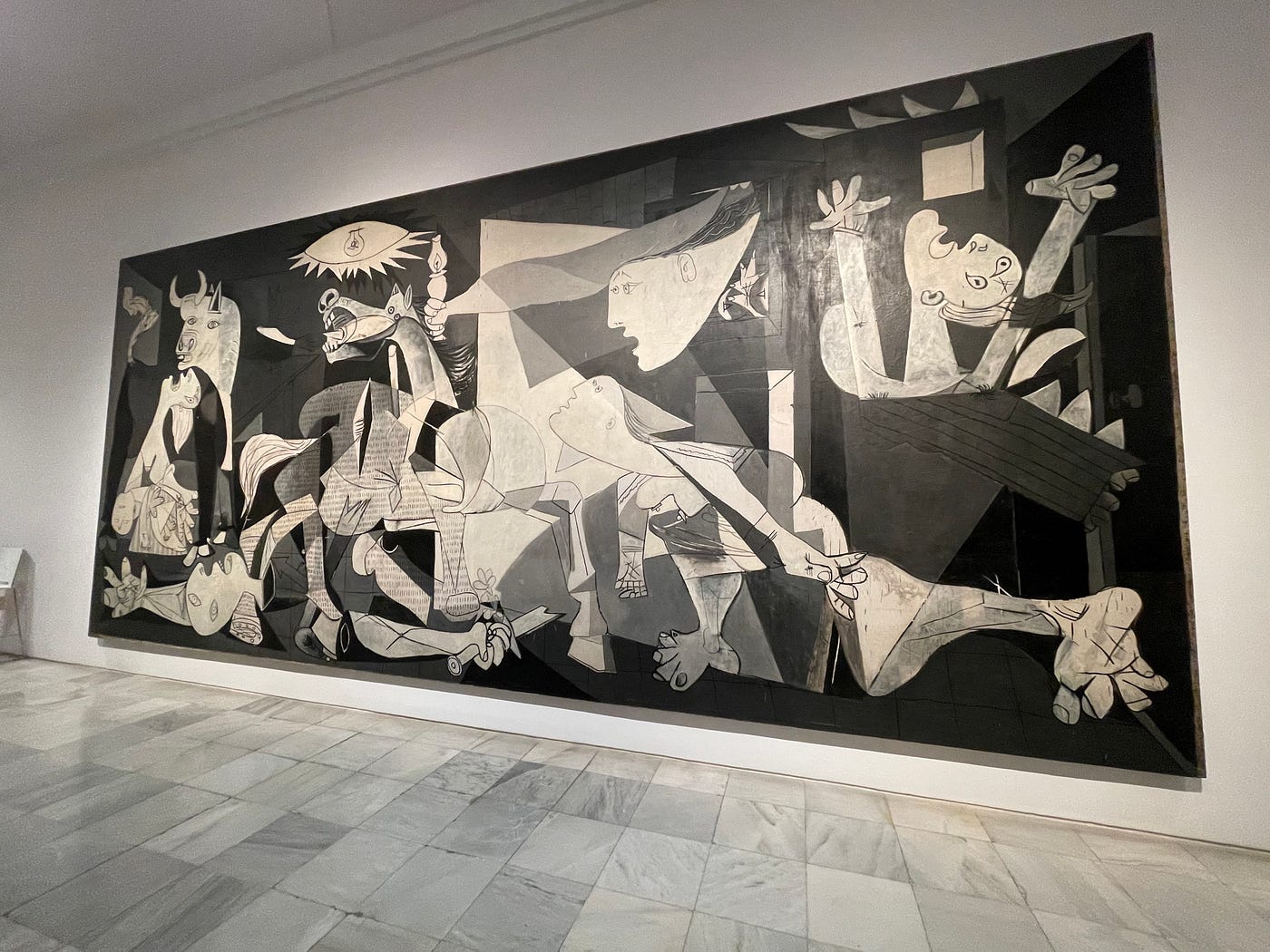
A significant event during the Spanish Civil War was the bombing of the town of Guernica in the Basque Country on April 26, 1937. This attack was carried out by Nazi Germany with support of Franco’s Nationalist forces. The bombing resulted in civilian casualties and destruction of the entire town. The tragedy of Guernica is depicted by Pablo Picasso in his iconic painting “Guernica”, which captures the horror inflicted on the town. I was fortunate enough to see “Guernica” in the Reina Sofia Museum in Madrid, Spain following my time in the Basque Country.
My hope in sharing a bit of the history of the Basque Country is to give you historical context of the region, an understanding of the creation and purpose of the Mondragon Corporation, and why this cooperative model has been successful in the Basque Country.
Don Jose Maria Arizmendiarrieta
Don Jose Maria Arizmendiarrieta paused his priesthood studies to join the Basque army during the Spanish Civil War in 1936. During his service he noticed Hitler’s desire for the best technology in Europe, and therefore came to believe the future of the world would be decided by whoever controlled the best technology (MacLeod, 1997). After his service ended, he became an ordained priest and moved to the town of Mondragon in the Basque Counrty where he worked in a church, organized a technical school which later grew into the Mondragon University, and created a community center that provided after school programs, cultural activities, and debate groups. A common debate throughout Spain regarded what type of social order should exist in Spain, which inspired Jose Maria to explore cooperatives as apart of democratic system in Mondragon. Jose Maria then guided and mentored five of his engineering students as they founded ULGOR, the first 100% worker owned cooperative in Mondragon (MacLeod, 1997).
Jose Maria recognized that for the Basque people to survive after the Spanish Civil War, they needed to rely on themselves and the region, rather than support from Franco and the capital of Madrid. He encouraged the Basque people to invest into ULGOR and promote the establishment of new economic structures as a way of survival. The goal of the Mondragon Cooperative has always been to create jobs in the Basque Country for the Basque people. His dedication to building a new social order was rooted in the four traditions of the social doctrine of the Church, the Basque social tradition, the epistemology of socialism, and the philosophy of personalism (MacLeod, 1997).
Jose Maria draws from the Church traditions of the Christian Worker Movement, where workers are encouraged to take responsibility in the transformation of the industry, personal growth, and social contribution to society (MacLeod, 1997). He also believed the Basque social tradition, specifically the characteristics of solidarity and hard work, is why the Basque nation has successfully survived for so long. Jose Maria drew from ideas of socialism and rejected others. In his new social order, he supported the claim that the role of workers was to bring social-economic reform, but rejected the idea the state bureaucracy should hold power over the worker (Macleod, 1997). He was also influenced by personalist thinkers who praised cooperativism for allowing individuals to use their human qualities at work (MacLeod, 1997).
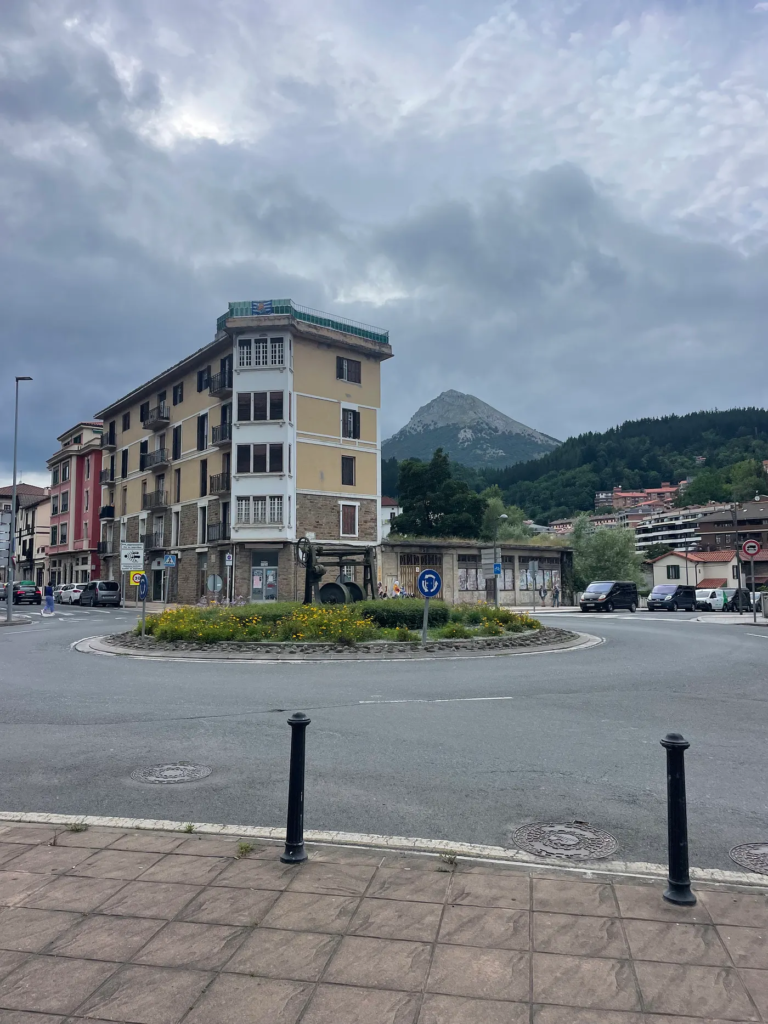
Jose Maria opposed a revolution because he believed a system put in place by force would always require force to maintain it (Macleod, 1997). Without using force, he brought together the hard working, strong willed, resilient people of the Basque Country to build the Mondragon Corporation, a unique group of cooperatives resting in the hills of the Basque countryside so special and unique, that I do not believe it can be replicated anywhere else. Nonetheless, there is so much to learn from the Mondragon Corporation and many opportunities to bring some of their practices into our workspaces and communities.

Mondragon Corporation
The values of the Mondragon Corporation are cooperation, participation, corporate social responsibility, and innovation. The goal of the cooperatives is to create and maintain profitable, competitive, and democratic businesses within the Basque Country. The Mondragon Corporation has a presence in the industrial, financial, distribution, technology, and education sectors, and is committed to market success through democratic practices and dedication to their local communities in the Basque Country (Cheney et al., 2014). Mondragon consists of 81 cooperatives, currently employs 80,000 people, has sales in 105 countries, and is the 10th largest business group in the Spanish market (Cheney et al., 2014). The organizational structure of these cooperatives is created to support the employees with a democratic decision-making process with elected leaders and managers, reallocation of funds and workers to other cooperatives as needed, educational opportunities for employees, welfare and social services, and a 6:1 manager to worker pay ratio. Once someone becomes employed within one of the cooperatives, it costs 18,000 euro to become a working owner. Current cooperative members shared some of the benefits in being a member are retirement benefits, job security, participation in decision making, quality of life, community, and the privilege of being able to work and live in the town they grew up in.
Can Cooperatives Be Successful in Other Places?
Can cooperatives be successful in places other than Mondragon? Absolutely! There is nowhere else in the world where cooperatives exist on the scale they do in Mondragon, but cooperatives can be successful with quality organizational leadership, consistency and commitment to their values. For example, there are many successful co-op grocery stores in the United States.
Can this be duplicated in another city? In my opinion, probably not. The Mondragon Corporation is unique because it was formed with a goal to create jobs in the Basque region for the Basque people. During my conversations with cooperative members, I noticed many of them will claim the history of the Basque region does not have anything to do with the success of the cooperatives, but respectfully, I cannot see how it doesn’t. The Basque people are historically resilient, hardworking, and loyal to their region, and I believe their community is what has led to the success of these cooperatives. Additionally, the entire mission of the Mondragon Corporation was built on top of the ashes of the Spanish Civil War. Worker cooperatives are traditionally rooted in their communities, compared to capitalist companies which tend to reduce staff and outsource to reduce costs (Cheney et al., 1997).
Within the United States capitalist economy, it is uncommon to see large corporations tied to their local communities or uphold a set of values to put people first. Businesses market themselves with a mission, vision, and value statement, but the corporate culture of mass company layoffs without warning their people or giving time to process wouldn’t be practicing what they preach. Instead, the mission of these companies is for profit for the people at the top of the hierarchy.
Of course, there are also incredible locally owned businesses in the United States whose mission is to uplift their communities, and cooperatives who follow similar business models to the Mondragon Corporation. In 2021, Taylor’s Guitars in El Cajon, California transitioned to a 100% employee stock ownership and it has been very successful. There are many businesses like this here in the United States, and more businesses are transitioning to adopt cooperatives, but I’m not sure if my country has enough universal spirit to create a community of cooperatives on the scale that Mondragon has. Even as I write this in a coffee shop, the people sitting next to me described the unpredictability of the United States as “volatile”.
I believe communities in the United States want and need change. The U.S. has so much potential for growth and adaptation, and the inspiration of the cooperatives in Mondragon open a possibility for new systems that I’m not sure many people in the U.S. are familiar with. So, while no, I don’t believe Mondragon can be duplicated anywhere else in the world, I do believe the world can learn and benefit from what Mondragon has built.
Could a cooperative model be helpful to the United States? Yes! The wealth gap in the United States is at a historical height, and one solution to close the gap is the use of worker buyouts (Walsh et al., 2018). Baby boomers own about half of the private businesses in the United States, and they are seeking retirement options that ensure the economic sustainability of their companies and local communities they support. Converting to employee ownership with democratic practices has the potential to create inclusive workplaces that perform better and boost profits (Walsh et al., 2018). Using Survey of Consumer Finances data, Dudley and Rouen calculated how employee ownership of 30% of all businesses would impact the United States. They found the share of wealth by the bottom 50% of Americans would more than quadruple, median wealth in Black households would increase from $24,000 to $106,000 and individuals with high school diplomas median wealth would increase from $21,000 to $84,000 (Dudley and Rouen, 2021). Individuals in the 90th to 99th percentile of wealth would only see a 1% decline in their wealth, and the top 1% would have a 14% decrease (Dudley and Rouen, 2021). These numbers help give us an idea of how impactful employee ownership can be. Worker buyouts in the United States have the potential to increase pay for workers, support in closing the wealth gap, and provide financially sustainable options for the retiring generation.
Lessons Learned
The Mondragon Corporation is a breath of fresh air compared to capitalist business models and government structures in the United States. But be quick to remember the employees of the Mondragon Corporation are ordinary people just like you and me. We all wake up every morning, eat breakfast, commute to and from work, complain about our co-workers, wish we were making more money, shop for groceries, spend time with our friends and families, sleep, and wake up to do it all over again. A common statement I heard throughout the week from cooperative employees was “we are just ordinary people doing ordinary jobs”, and that is so important to remember while we are working at our jobs back in the United States fantasizing about quitting and moving to another country. And of course, people from different countries experience life differently, but at the same time we are all universally experiencing something similar. Everywhere in the world has political and social challenges, complicated history, wealth gaps and poverty, families to take care of, loved ones to spend time with, places to explore, holidays to celebrate, and challenges to overcome. Cooperatives are a potential solution to overcoming some of the socio-economic challenges here in the United States, but it does not necessarily mean the Mondragon Corperation is the magic answer to all our problems. While the success of the Mondragon Corporations provides opportunities and quality of life for the people of the Basque Country, it is not a perfect equation or a one size fits all solution.
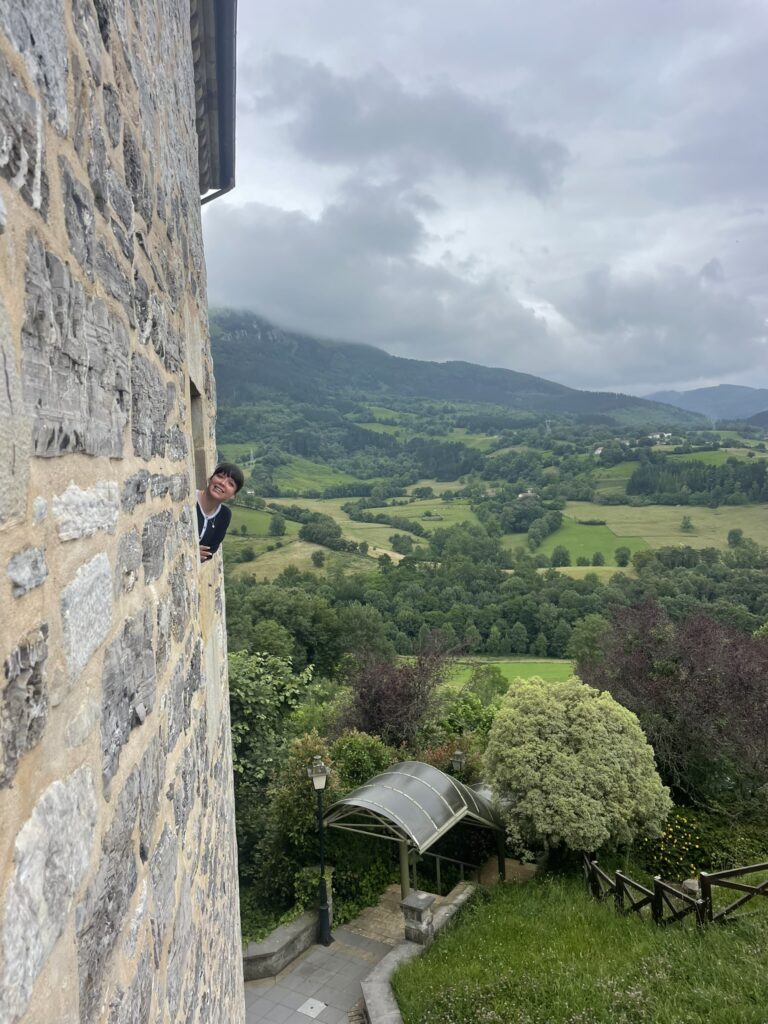
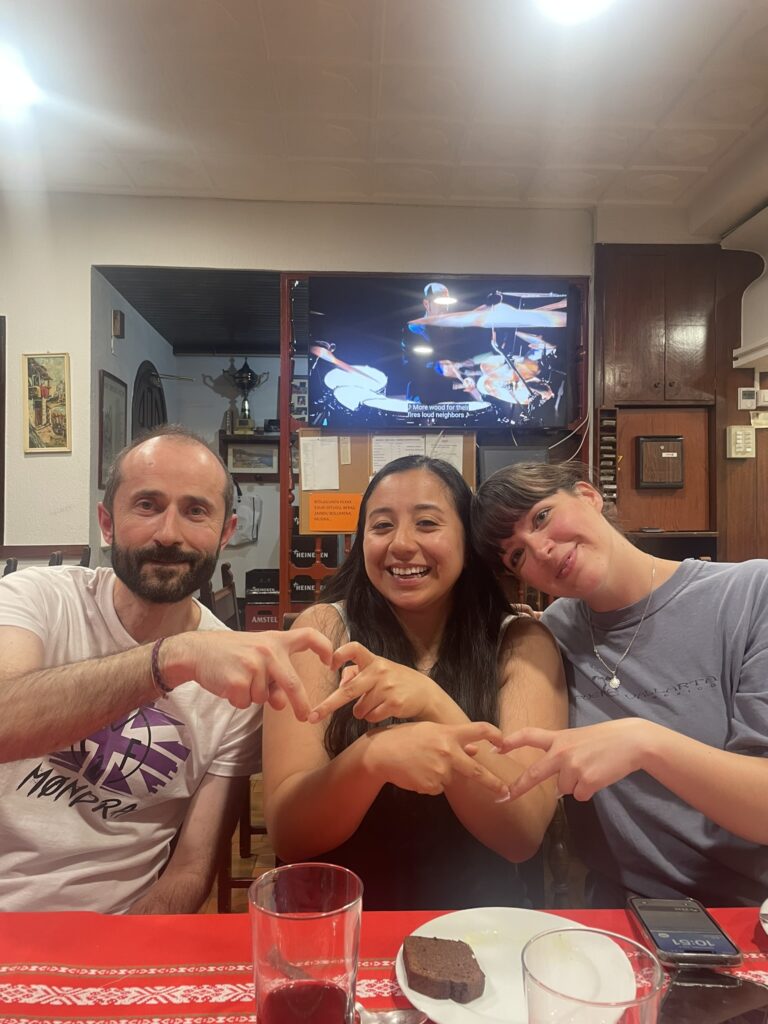
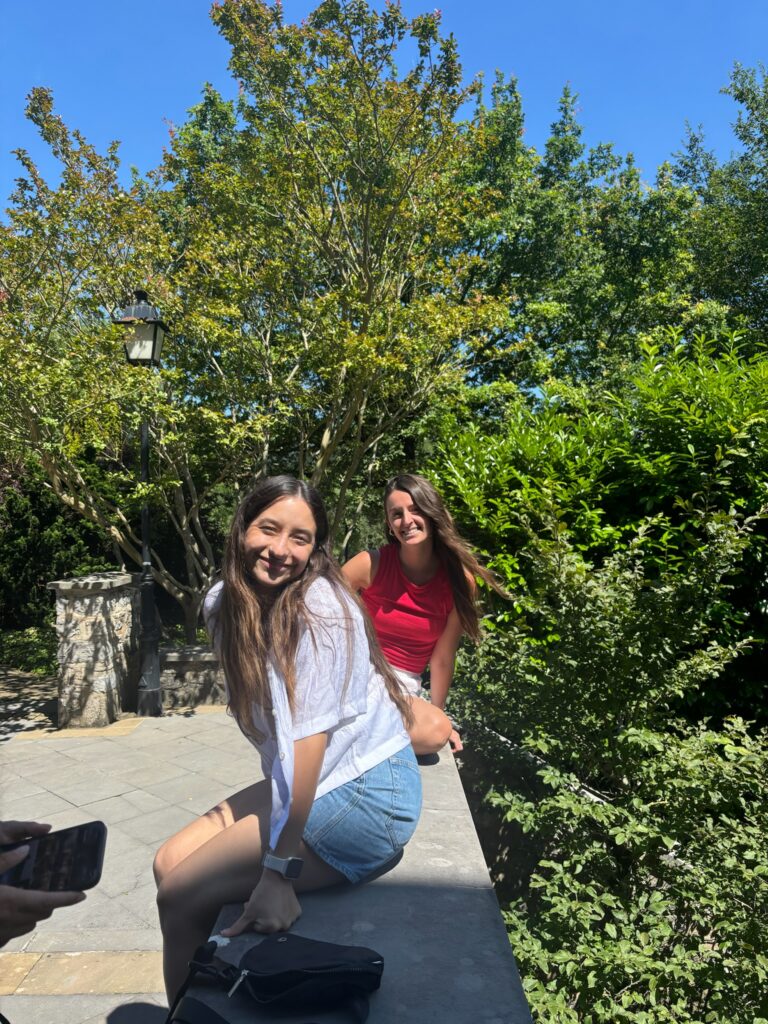
Your rich life is the life that brings you fulfillment. Ander, our host in the Basque Country, a member of the Mondragon Corporation, and a son of a cooperative employee, shared with us “I am working for me, my colleagues and the region”. His rich life is working and living in the town he grew up in, living next door to his mom, and being walking distance to his favorite shops, bars and restaurants where he is recognized by just about everyone. The workers of Mondragon could easily move to Madrid and make double their salary, but they do not because Mondragon is their home and where they can live out their rich lives. We all make choices, risks, and sacrifices to build the lives we want, and that is universal.
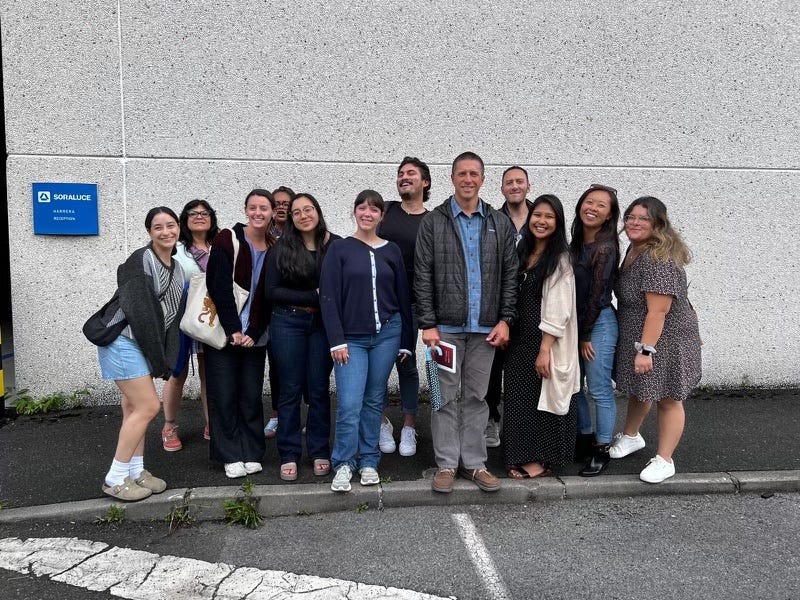
Bringing Home to the United States
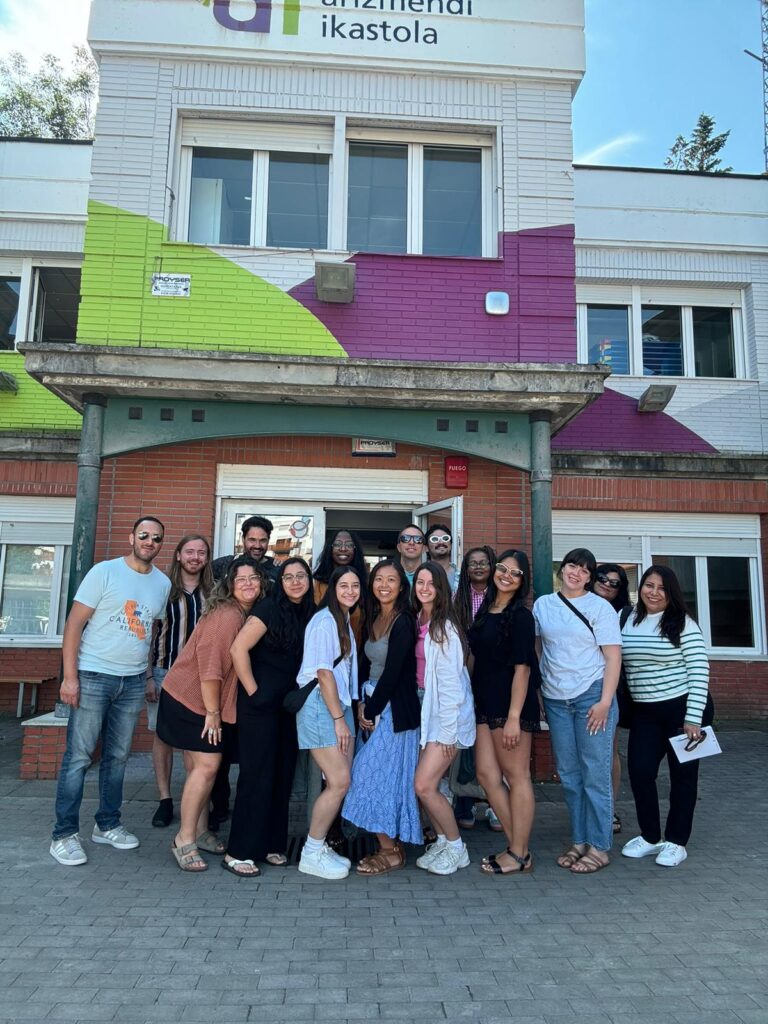
Jose Maria advocated the successful implementation of the cooperative model will depend on how deeply participants are committed to the principles of cooperativism, meaning the model needs to include education and development of the workforce, and effective communication between associates (MacLeod, 1997). The emphasis of continued development and education of the cooperative workers is one I felt very drawn to. Jose Maria believed managers have a social and moral responsibility to continue their education and to keep up to date on the latest business techniques (MacLeod, 1997). Continuous learning and education are so important and vital to the Mondragon Corporation that the Mondragon University and Arizmendi Ikastola School are a part of the cooperatives. These educational cooperatives were my favorite to visit because I work in the field of education and one of my values is the importance of continued experiential learning.
As a Graduate Assistant in the Center for Student Success at the University of San Diego, I supervise a peer coach internship program which offers undergraduate students the opportunity to meet with a peer coach intern to address academic and personal needs. The purpose of this experiential learning program is for peer coaches to gain paraprofessional clinical experience, while supporting the USD student population. The Mondragon Corporation reminded me that I should always be committed to my own learning and development so I can efficiently support the learning and development of my students. Some ways I want to commit to my personal and professional development this upcoming academic year is by completing my goals of teaching in the leadership studies minor at USD and taking advantage of professional development opportunities offered through my work including higher education conferences. During my upcoming full time employment search, I also see myself utilizing what I learned in Mondragon to help me search for jobs that follow some of the values of the Mondragon Corporation I feel connected to.

Final Thoughts
So many thoughts and memories keep flooding back to me as I read through my notes from my week in the Basque Country, and I’m feeling grateful and a bit overwhelmed with how much I was able to experience and learn during this short but meaningful journey. There was so much I wanted to share in this blog post that maybe I’ll write a part two in the future. My main takeaway is I love the Basque Country. I loved learning about the culture, meeting the Basque people, eating the incredible food, drinking far too much of the best wine I’ve ever had, and driving through the beautiful countryside. I will always be grateful for this unique once in a lifetime experience in the Basque Country. Returning to the familiarity of the United States has been comforting, but I will admit I started looking at international flights as soon as I returned home, and I am already looking forward to the next opportunity I’ll have to immerse myself in another country and their culture. Thank you, Professor Jimenez-Luque, Ander, my classmates, and all the Basque people who welcomed us into their homes, restaurants and bars with open arms. Eskerrik asko oroitzapenengatik! (Thank you for the memories!)
References
Cheney, G., Cruz, I. S., Peredo, A. M., Nazareno, E. (2014) Worker cooperatives as an organizational alternative: challenges, achievements and promise in business governance and ownership. Sage. 21(5), 591–603.
Dudley T. and Rouen, E. (2021) The big benefits of employee ownership. Harvard Business Review.
Mcleod, G. (1997) From mondragon to america. University College of Cape Breton Press.
Sutherland N., Bolden, R., Edwards, G. (2022). Putting leadership in its place: Introduction to the special issue. Leadership, 18(1), 3–12.
Walsh, P., Peck, M., & Zugasti, I. (2018). Why the US needs more worker owned cooperatives. Harvard Business Review.